
Maine Marinara CollaborativeAbout
Second Harvest Partnership & Maine Marinara Collaborative: Scaling Local, Ready-to-Use Foods for Schools
The Maine Marinara Collaborative (MMC) grew out of conversations in MEFTI’s Local Food Processing Workgroup, where partners consistently named mid-scale processing as one of the biggest barriers to getting more Maine-grown foods into schools. Schools wanted to buy local produce, but limited processing capacity, inconsistent distribution, and the labor required for scratch cooking made it difficult to use fresh ingredients on a regular basis.
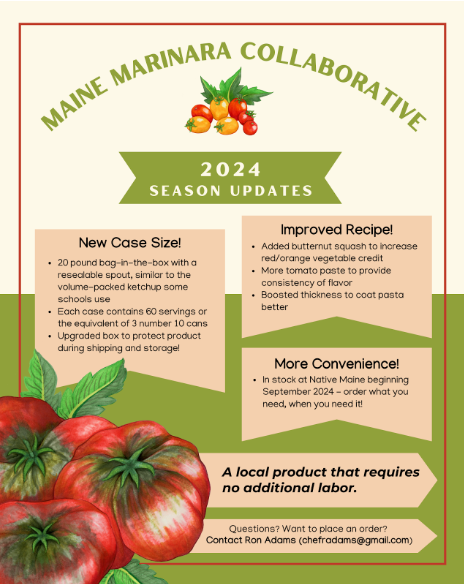
Building on this shared understanding, Healthy Communities of the Capital Area (HCCA) and the Maine Farm & Sea Cooperative took the idea forward, working closely with farmers, processors, aggregators, and school nutrition leaders to design a ready-to-use marinara sauce made with at least 51% Maine-grown ingrediants. The goal was to create a high-quality, affordable Maine-made product that met school nutrition standards and provided a dependable way for schools to incorporate more local ingredients.
Healthy Communities of the Capital Area (HCCA) serves as the fiscal and staffing home for the Maine Farm & Sea to Institution Network, a Maine Food Convergence partner, and the fiscal lead for the Maine Marinara Collaborative’s Henry P. Kendall Foundation Food Vision Prize.
In this role, HCCA provides the following services for the Maine Marinara Project, now under the broader project of the Second Harvest Partnership hosted by Food Fork Lab:
HCCA co-convenes the Food Processing Work Group, providing a platform to stakeholders to network, share ideas, and address both successes and barriers within local food processing systems.
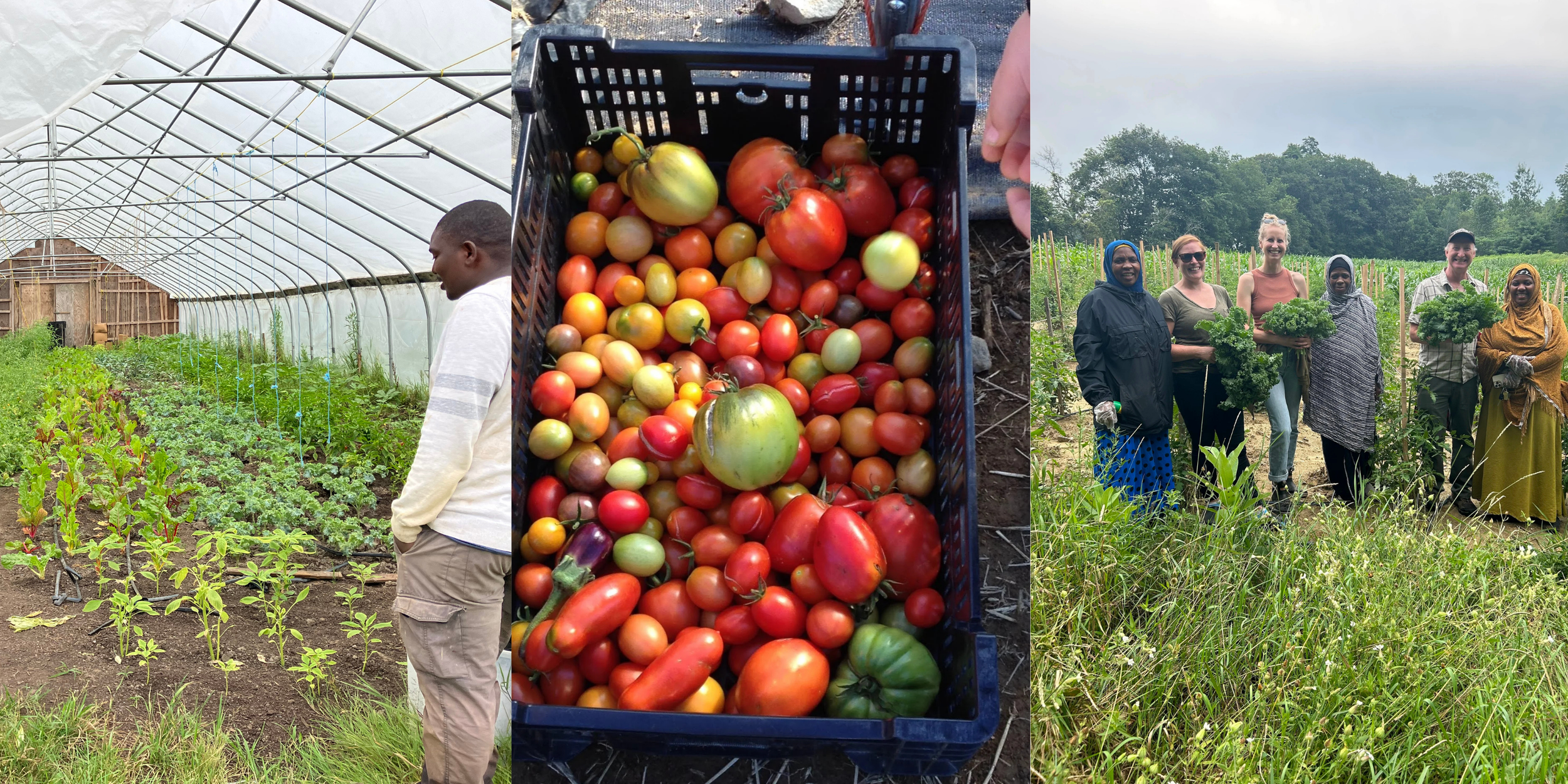
HCCA serves as a convener for underserved farms, connecting them with the Maine Marinara Collaborative and other farm-to-institution efforts. In this role, HCCA acts as a liaison among participating partners to support coordination and ensure grant commitments are met.
HCCA hosts the Maine Farm & Sea to Institution network, engaging a broad range of food-serving institution stakeholders across Maine and beyond. HCCA weaves Second Harvest Project activities into MEFTI network events to foster deeper collaboration, alignment, and new opportunities.
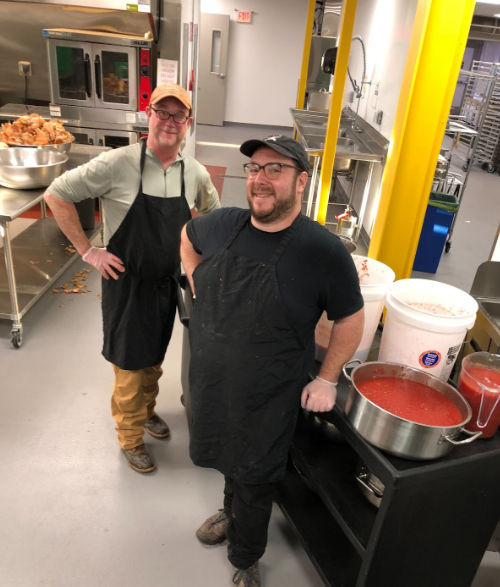
Making Marinara at Fork Food Lab
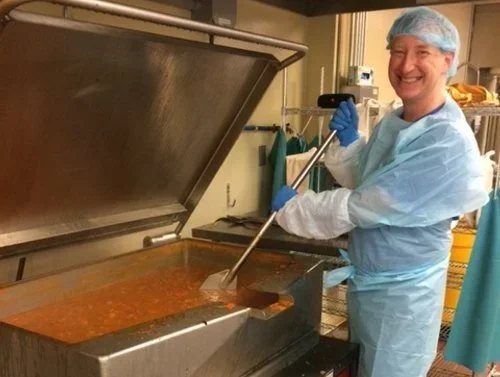
Chef Ron Adams stirring up marinara sauce!
Second Harvest Partnership Objectives
Objective 1: Through collaborative processes, the Partnership will expand the number of lightly processed and value-added processed products containing local foods for institutional markets.
Objective 2: Activities of the Partnership will Increase access of underserved farmers and small food businesses to the food economy through aggregation, farm food safety awareness, and technical assistance for crop harvesting and distribution.
Objective 3: The Partnership will expand capacity at Fork Food Lab to aggregate, process, and co-pack upcycled fruits and vegetables into base sauces for the institutional marketplace and to increase the amount of local foods purchased by members to incorporate into their final products.
Impact
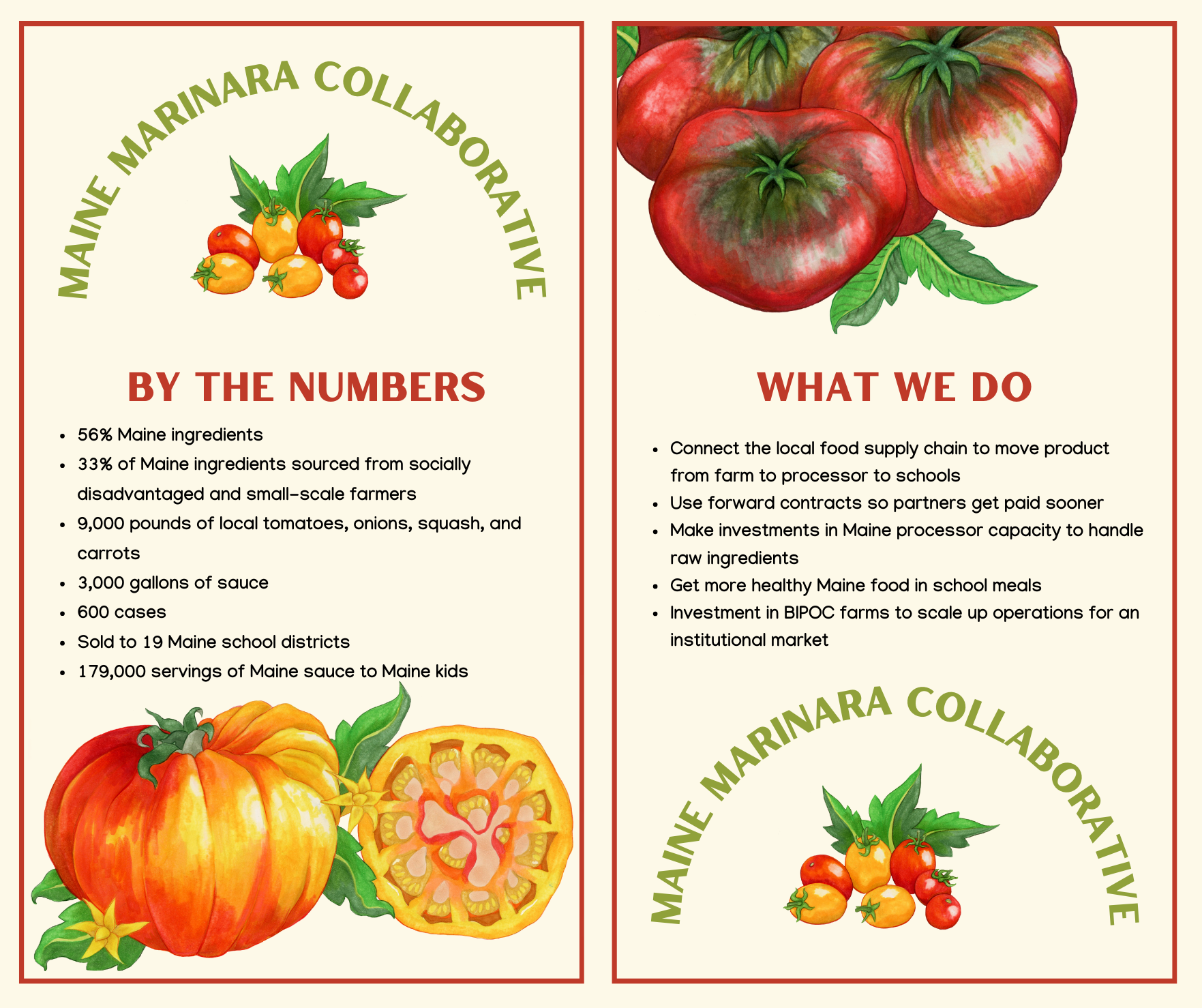
The Maine Marinara Collaborative and its evolution into the Second Harvest Partnership have generated meaningful, measurable changes for Maine farmers, processors, schools, and food-serving institutions. In its first production year, MMC reached 31,000 K–12 students across 75 schools in 19 districts, representing 18 percent of Maine’s entire student population, and extended its impact to hospitals, correctional facilities, and thousands of residents across the state. The project redirected more than 9,000 pounds of Maine-grown produce from seven farms into value-added products, with 33 percent of ingredients sourced from small and socially disadvantaged producers.
Under the Second Harvest Partnership, these numbers have continued to climb, with more than 13,000 pounds of seconds purchased from BIPOC and immigrant-led farms in Year 1. By aggregating seconds and surplus crops, the initiative created new, stable markets for farmers while reducing food waste and providing consistent income during challenging harvest years. Schools gained dependable access to nutritious, locally made products that reduce labor burden and fit within child nutrition guidelines.
Maine Marinara became the first lightly processed product approved for reimbursement under the Maine Local Foods Fund, opening the door for future value-added items to qualify. Beyond procurement, the project strengthened food education through student taste tests, culturally-grounded youth marketing, and immigrant community cooking classes that reached nearly 400 people. Together, these impacts demonstrate not only the strength of MMC as a product line, but also the power of the collaborative systems behind it.
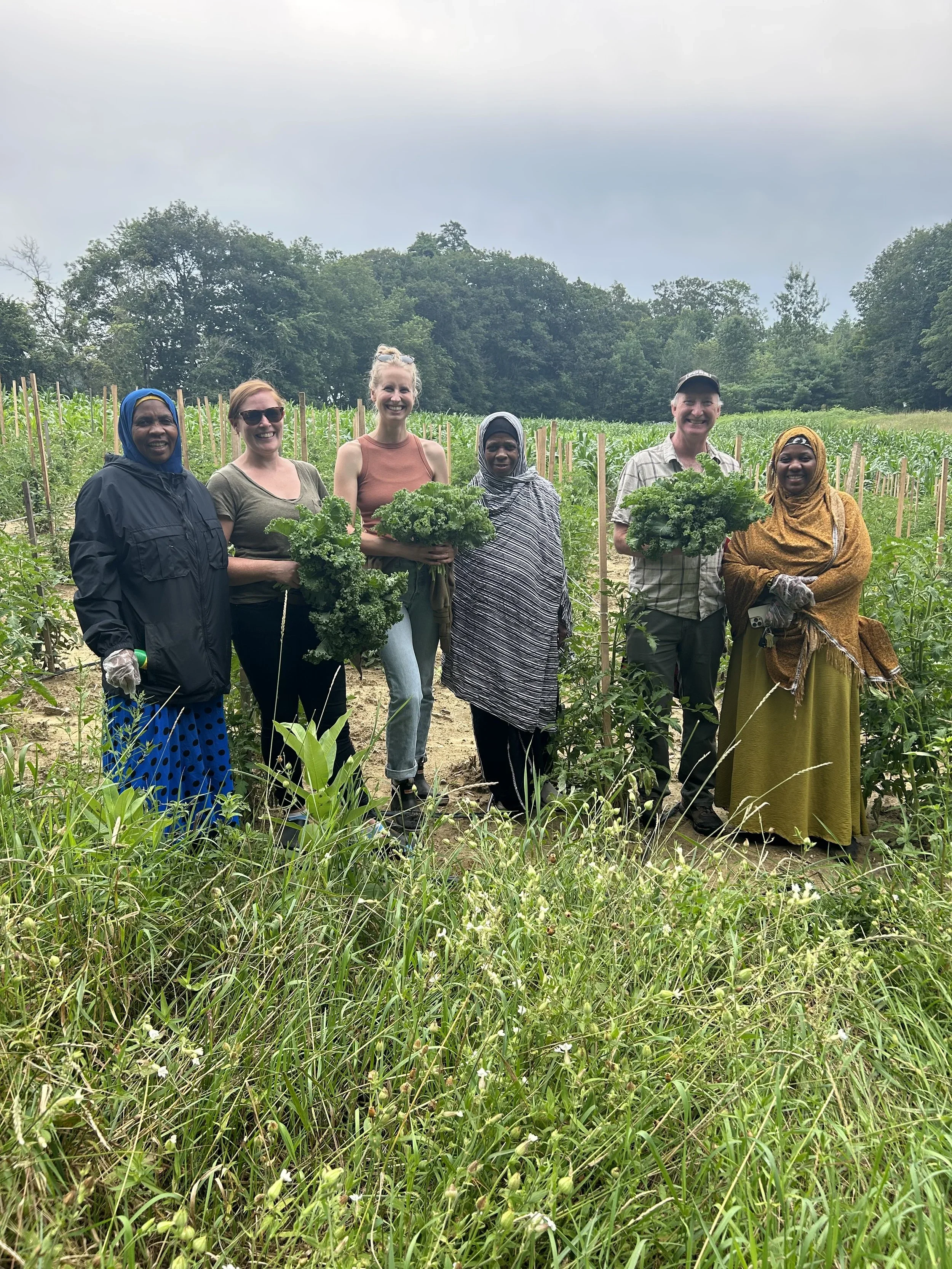
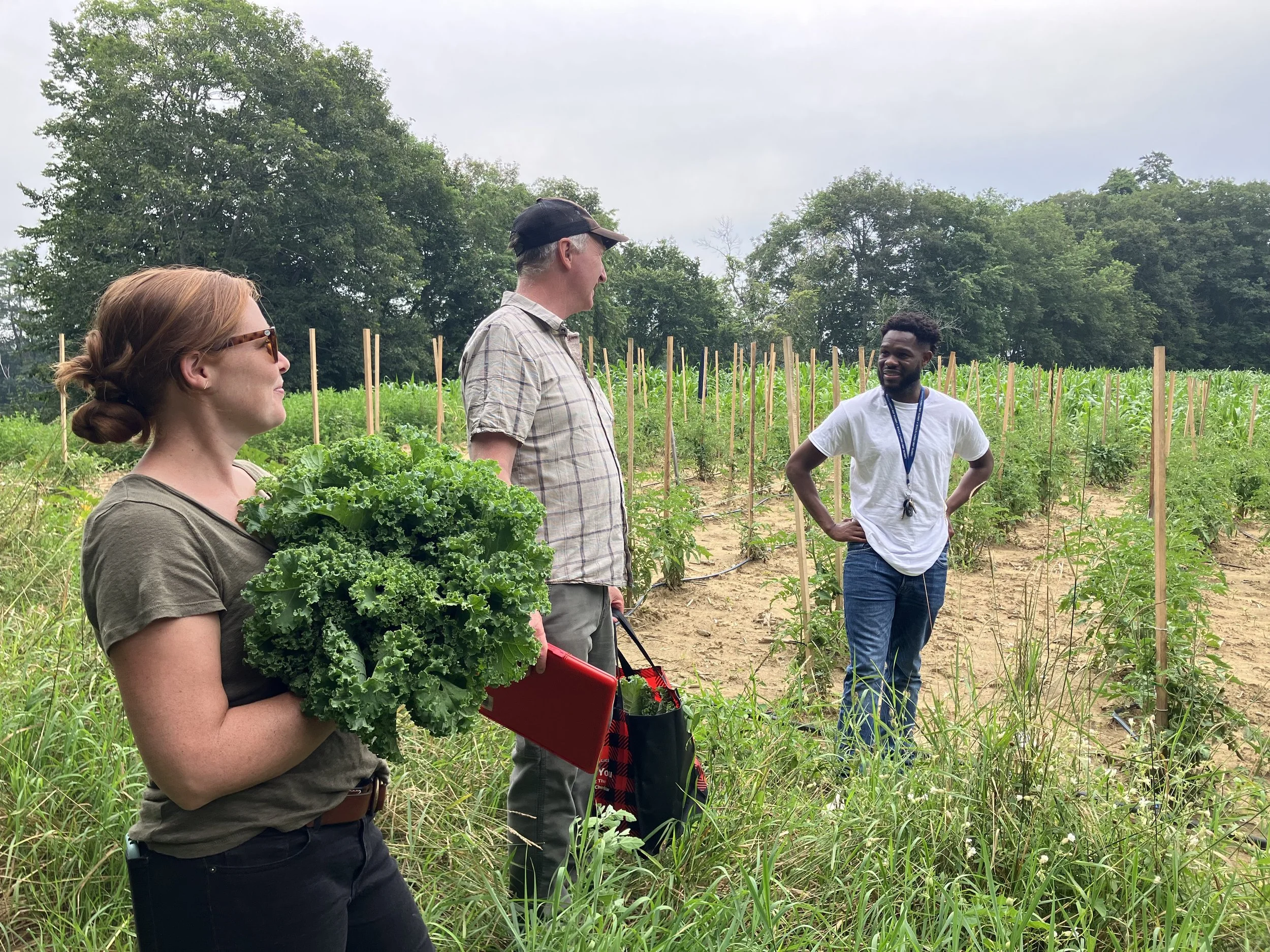
Maine Marinara Collaborative team members at the Isuken Cooperative Farm in Auburn, Maine.
Executive Committee
Penny Jordan, Farms for Food Equity, Maine Immigrant Greens Collaborative (MIGC)
Mary Zwolinski, Wayside Food Program, (MIGC)
Renee Page - Healthy Communities of the Capital Area, Maine Marinara Collaborative (MMC)
Alida Farrell - Healthy Communities of the Capital Area, Local Food Specialist
Annie Doran - Maine Food Convergence Project/Processing Work Group
Jonah Fertig-Burd - Facilitator for annual meetings
Bill Seretta - Grant Administrator & Authorized Organizational Representative (AOR), Fork Food Lab
Ron Adams - Project Coordinator, Maine Farm and Sea Cooperative (MFSC)
Doug Clopp - Project Coordinator, Maine Farm and Sea Cooperative (MFSC)
Funding for The Second Harvest Partnership: Adding Value to Upcycled and Surplus Produce was made possible by a grant/cooperative agreement from the U.S. Department of Agriculture (USDA) Agricultural Marketing Service. Its contents are solely the responsibility of the authors and do not necessarily represent the official views of the USDA.
Funding for the base projects:
Maine Marinara Collaborative from the Henry P. Kendall Foundation for the 2022 New England Food Vision Prize, Elmina B. Sewall Foundation, Maine Department of Agriculture, Conservation, and Forestry.
Maine Immigrant Greens Collaborative from the Elmina B. Sewall Foundation’s Healthy People, Healthy Places grants, USDA Specialty Crop Block Grant, Hudson Family Foundation, Henry P. Kendall Foundation for a 2023 New England Food Vision Prize, Maine Department of Agriculture, Conservation, and Forestry for sponsorships for the Maine Marinara Collaborative.