The Maine Marinara Collaborative & Second Harvest Partnership: Scaling Local, Ready-to-Use Foods for Schools

Background
The Maine Marinara Collaborative (MMC) grew out of conversations in MEFTI’s Local Food Processing Workgroup, where partners consistently named mid-scale processing as one of the biggest barriers to getting more Maine-grown foods into schools. Schools wanted to buy local produce, but limited processing capacity, inconsistent distribution, and the labor required for scratch cooking made it difficult to use fresh ingredients on a regular basis.
Building on this shared understanding, Healthy Communities of the Capital Area (HCCA) and the Maine Farm & Sea Cooperative took the idea forward, working closely with farmers, processors, aggregators, and school nutrition leaders to design a ready-to-use marinara sauce made with at least 51% Maine-grown tomatoes. The goal was to create a high-quality, Maine-made product that met child nutrition standards, reduced kitchen workload, and provided a dependable way for schools to incorporate more local ingredients.
The success of MMC showed what coordinated processing and shared infrastructure can make possible. That early momentum led to the creation of the Second Harvest Partnership, a broader effort in collaboration with Fork Food Lab that now supports a growing lineup of lightly processed, school-ready products—including pizza sauce, tomato soup, salsa, frozen greens, squash soup, and broccoli pesto. Second Harvest continues the core vision sparked through MMC: strengthening Maine’s farm to school supply chain by connecting farmers, processors, and institutions around products that schools can readily use.
Impact
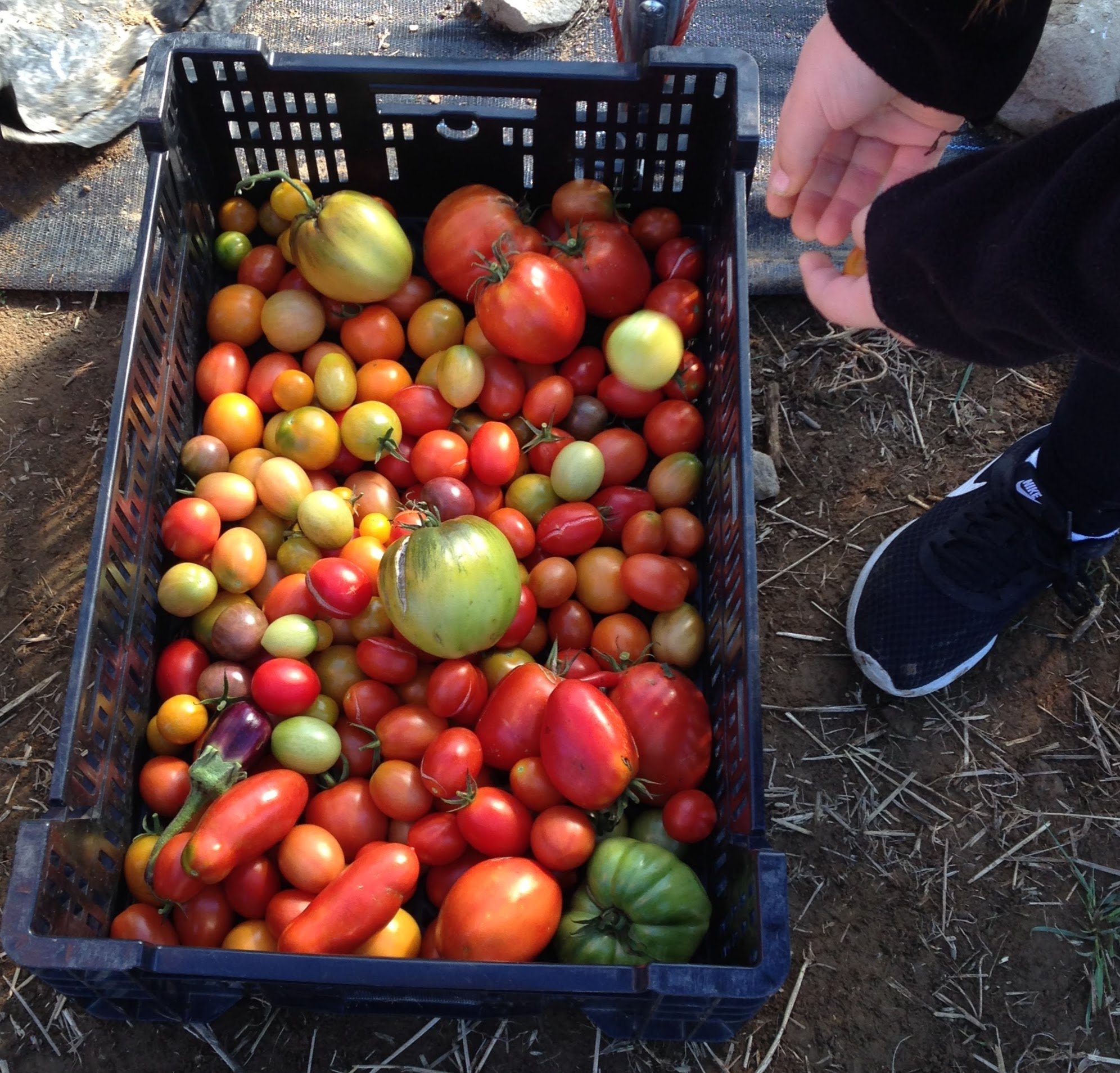
The Maine Marinara Collaborative demonstrated how one thoughtfully designed product can unlock significant growth in farm to school purchasing. In its first year, MMC reached 31,000 students across 75 schools in 19 districts, representing 18% of Maine’s K–12 population, with additional distribution to hospitals, correctional facilities, and other institutions. The project directed more than 9,000 pounds of Maine-grown tomatoes from seven farms into marinara production.
MMC also paved the way for a major statewide milestone: its marinara became the first lightly processed product approved for reimbursement through the Maine Local Foods Fund, creating an important precedent for future value-added items.
Under the Second Harvest Partnership, the model has expanded in both scale and scope. In its first year, Second Harvest purchased more than 13,000 pounds of seconds from Maine farms to develop its expanded product line. This approach supports farmers with new, stable markets; reduces food waste by using surplus and cosmetically imperfect crops; and supplies schools with convenient, Maine-made foods that ease labor constraints while supporting local agriculture.
Taste tests, recipe trials, demonstrations, and community outreach have helped introduce these products to students, families, and school nutrition teams, strengthening awareness of Maine-grown foods and reinforcing the relationships that make farm to school work possible. Together, MMC and the Second Harvest Partnership offer a practical, scalable model for bringing more local ingredients into cafeterias by building the supply chain and processing capacity schools need.


Chef Ron Adams stirring up marinara sauce!

Maine Marinara Collaborative team members at the Isuken Cooperative Farm in Auburn, Maine.
Beautiful farm tomatoes headed for the kitchen!